TABANG TUDLO PILIPINAS

VISION
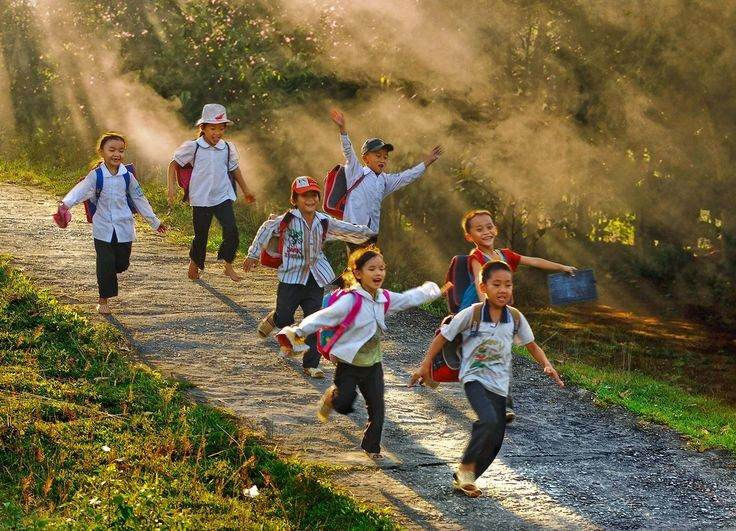
We see a future where every child in the country have the adequate skillset, knowledge, and literacy to function as active members of society in all sectors of work, community, and service. Wherein children grow up with access to quality education without any regard to their living conditions, and to excel in knowledges pertaining to language, sciences, mathematics, and other life skills.
MISSION
To ensure quality grade education, even in the most rural of areas. Education that is competent, relevant, and utmost useful to each specific need of every child in the country.

INTRODUCTION TO OUR ADVOCACY
Ineducation in Rural Areas in the Philippines
The Philippines has always had one of the worst qualities of education in Southeast Asia, in the 2018 Program for International Student Assessment, 72% of 15-Year-old students in the Philippines were in the low achiever category for mathematics, science, and reading. Overall, the Philippines ranked 2nd to the last in science and mathematics and ranked least in the world for reading.
That in itself is already a predicament for the country but add to it the inequality of education in the Philippines and the problem is made significantly worse. The inequality of education in the Philippines exists in the difference in education between rural and urban areas. This is due to three main factors.
First is the lack of schools in some barangays in the Philippines. A study done by Deped ROI revealed that 30.27% of barangays in the Philippines do not have elementary schools. And second is the lack of funding to acquire adequate learning materials for students in rural areas. And lastly the pandemic has massively deteriorated the quality of education with students not being able to attain guidance from teachers the same way they would in face to face learning ultimately leaving them to learn for themselves.
The culmination of all of this is that students in rural areas end up being way behind the average students in terms of the normal learning competencies and basic skills they need to interact with the world. This can be seen in the rise of highschool students that don’t know how to read in recent times.

ABOUT THE PROJECT
Our team, in collaboration with multiple public high school teachers from Region 9, aim to solve these issues through:
_jfif.jpg)
_jfif.jpg)
_jfif.jpg)